I.
Emotions that take over
Feelings that go from calm to overwhelming before you can think. Skills for noticing the wave early and riding it out.
Dialectical Behaviour Therapy skills, for emotions that arrive fast and stay loud. Roya brings DBT’s four skill sets into individual therapy: mindfulness, distress tolerance, emotion regulation and interpersonal effectiveness. Online for clients in Kitchener and across Ontario.
Free 15-minute consultation, in English or Farsi.
Feelings that go from calm to overwhelming before you can think. Skills for noticing the wave early and riding it out.
Distress-tolerance skills for moments when everything feels like too much, so you have something to reach for that doesn't make it worse.
Asking for what you need, saying no, and keeping your self-respect when conversations get hard.
Mindfulness and acceptance practices alongside the CBT work Roya uses for anxiety, depression and low self-esteem.
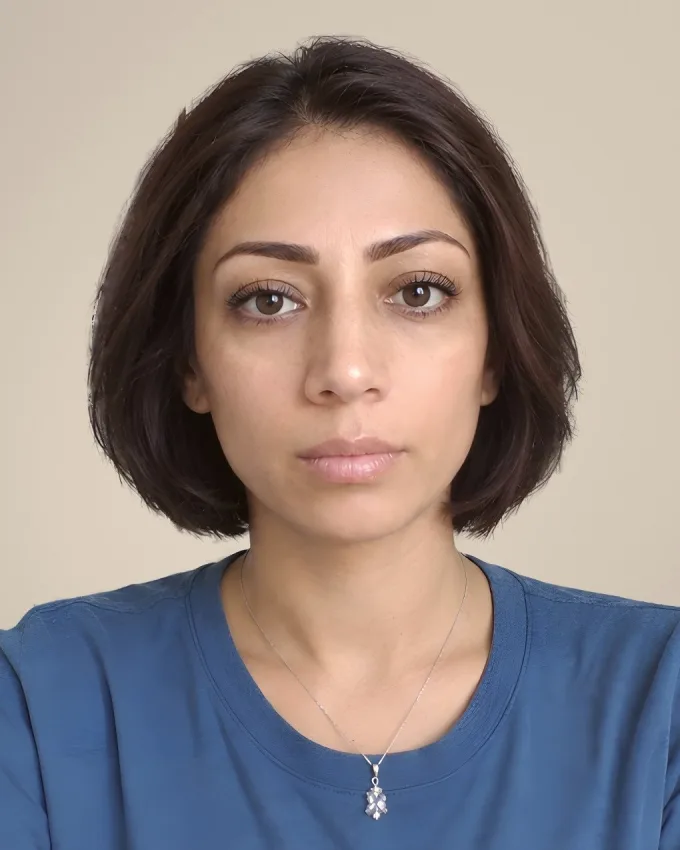
I'm Roya, a Registered Psychotherapist with a Master of Arts in Psychology and over 10 years in the mental health field. I'm trained in DBT, and I draw on its skills inside individual therapy, online. Once we know where to start, each session builds a skill, and between sessions you practise it in the situations that matter to you. I combine DBT with CBT, ACT and mindfulness-based work, and with a culturally responsive understanding of where you come from.
This is DBT-informed individual therapy. It is not a comprehensive DBT programme, which also includes skills groups, between-session phone coaching and a clinician consultation team.
The skills aren't a way to stop feeling. They're a way to stay with a feeling long enough that it doesn't choose the next action for you.
Imagine a message from someone close to you lands wrong, and within a minute you're halfway through a reply you'll regret. A distress-tolerance skill doesn't argue with the hurt or pretend it's small. The idea is to give you something to do for the next few minutes, so the reply can wait until the feeling has come down enough for you to choose what to send.
Therapy isn't about changing who you are or telling you how to live. It's a safe, non-judgmental space to explore, process, and find new ways forward.
The work can start with one kind of moment that keeps getting away from you.
Pick a time with me on Jane, the secure system the practice uses for scheduling, and we'll talk by video or phone. It's a good time to ask anything about how I work, including whether working on DBT skills with me fits what you're dealing with.
We begin with confidentiality: what stays private and where the legal limits are. After that it's a conversation rather than an interview, and you don't have to tell me everything at once. If you're ready to, we can start to look at the moments that are hardest for you: what sets the feeling off, how quickly it climbs and what you tend to do next. Over the first few sessions, that can help us choose which of DBT's four skill sets to start with.
Each session is 60 minutes over secure video, in English, in Farsi or moving between the two. A session might take one hard moment from your week: we slow it down and find the skill that would have helped there. Then we practise it together.
Between sessions, you try the skill in the places it's meant for: at work, at home, in your relationships. Some weeks the feeling may get there before the skill does, and that's useful too: it shows us which moment to slow down next time. We check in on progress together and set the pace as we go.
Not sure where you fit? The free consultation is partly for working that out. If worry, overthinking or low mood is what weighs on you most, rather than feelings that surge, CBT or ACT may suit you better; I use both, and we can choose together on the call. If you are in immediate danger, call 911. If you are in crisis, call or text 988, the Suicide Crisis Helpline, available 24/7. You can ask 988 for an interpreter. میتوانید از ۹۸۸ درخواست مترجم کنید.
من رویا هستم، رواندرمانگر ثبتشده، با بیش از ده سال سابقهی کار در حوزهی سلامت روان. در رفتاردرمانی دیالکتیکی آموزش دیدهام و چهار مهارت اصلی آن را در جلسههای فردی با شما تمرین میکنم: ذهنآگاهی، تحمل پریشانی، تنظیم هیجان و اثربخشی بینفردی. این مهارتها برای این نیستند که دیگر چیزی حس نکنید؛ برای ایناند که بتوانید آنقدر کنار یک احساس بمانید که آن احساس بهجای شما تصمیم نگیرد. وقتی معلوم شد از کجا شروع کنیم، در هر جلسه روی یک مهارت کار میکنیم و تا جلسهی بعد، آن را در موقعیتهایی که برایتان مهم است تمرین میکنید.
این کار درمان فردی است، نه یک برنامهی جامع رفتاردرمانی دیالکتیکی. اگر به حمایتی بیشتر از این نیاز داشته باشید، این را در همان مشاورهی رایگان ۱۵ دقیقهای صادقانه به شما میگویم. جلسهها فقط آنلاین برگزار میشوند و از هر جای انتاریو که باشید، میتوانیم به فارسی، انگلیسی یا ترکیبی از هر دو کار کنیم. لازم نیست پیش از شروع، همهچیز برایتان روشن باشد؛ کافی است برای یک مشاورهی رایگان با من وقت بگیرید. اگر در خطر فوری هستید، با ۹۱۱ تماس بگیرید. اگر در بحران هستید، با ۹۸۸ تماس بگیرید یا به این شماره پیامک بزنید. میتوانید از ۹۸۸ درخواست مترجم کنید.

Prefer a more structured, skills-first approach? Tina Abadi, RP offers CBT, in English and فارسی.
ACT Therapy in Ontario
When the hard part is less a feeling that surges and more the fight with your own thoughts: making room for them, and moving toward what matters to you.
CBT Therapy in Ontario
When you'd like to work on the thoughts and habits that keep a pattern going, in a structured way, with Tina or Roya.
Meet Roya
Her background and the rest of what she works with: anxiety, grief and life transitions, newcomers settling in, and couples, through Emotionally Focused Therapy.
Anxiety Therapy in Ontario
When worry and overthinking are the main thing, more than feelings that flare up and take over.
Depression Therapy in Ontario
When a low mood that flattens a week is the main reason you're looking for help.
Therapy for Immigrants in Ontario
When the big feelings are tied up with starting over in a new country, and culture shock or settlement stress is part of the load.
Emotionally Focused Therapy for Couples in Ontario
For the two of you together: Roya also works with couples, using Emotionally Focused Therapy.
Schema Therapy in Ontario
When the hard moments seem to grow from an older pattern you want to understand at its root.
Therapy Cost & Insurance in Ontario
How receipts and extended health plans work, and what OHIP doesn't cover, before you book with Roya.
Insurance receipts provided after every session. Roya Dadollahi Sarab is a fully Registered Psychotherapist (CRPO #008767), and many extended health plans in Canada cover psychotherapy with a Registered Psychotherapist; please confirm the details with your insurer. NoorMinds does not currently offer direct insurance billing. You pay for the session and submit your receipt for reimbursement.
Book a free 15-minute consultation with Roya. No commitment, no pressure.
Book with RoyaOr call (647) 699-5142 · WhatsApp · Email
Calls and messages aren’t monitored for emergencies. If you are in immediate danger, call 911. If you are in crisis, call or text 988, the Suicide Crisis Helpline, available 24/7.
NoorMinds provides online DBT skills, within individual therapy, throughout Ontario. Select your city to learn more:
Two days before the schedule at a Kitchener plant rotates a worker onto nights, nothing has gone wrong yet, and that calm is a good moment for DBT-informed preparation. Short sleep tends to shrink the space between a small annoyance and a big reaction, so steadying the body comes first, practised now, on an ordinary afternoon, until it feels familiar. A cold cloth pressed to the face, feet planted on the floor, breathing slowed to an easy count. Next comes a short list of personal early warnings, the signals that arrive before the temper does: a clenched jaw at the kitchen table, perhaps, or a radio that suddenly seems far too loud. A plain name for the state joins the list, worn thin. Then one request goes out while things are calm: for my first week on nights, could mornings at home stay quiet until I've slept? On that first short-sleep day the task is modest: catch one sign early, name it, and reach for a skill already rehearsed.
Also serving nearby
Related services