Who I Help About Services FAQ Articles Contact Book a Free Consultation
✦ Now accepting new clients — Free 15-min consultation · Sessions in English & Farsi فارسی ✦
Online Psychotherapy · Ontario, Canada

A space to
understand
yourself more
deeply.

Whatever you're carrying — past wounds, relationship struggles, or simply the sense that something needs to change — this is a space where you don't have to explain yourself. You are already understood here.

Farsi · فارسی English Virtual · Ontario-wide Free Consultation
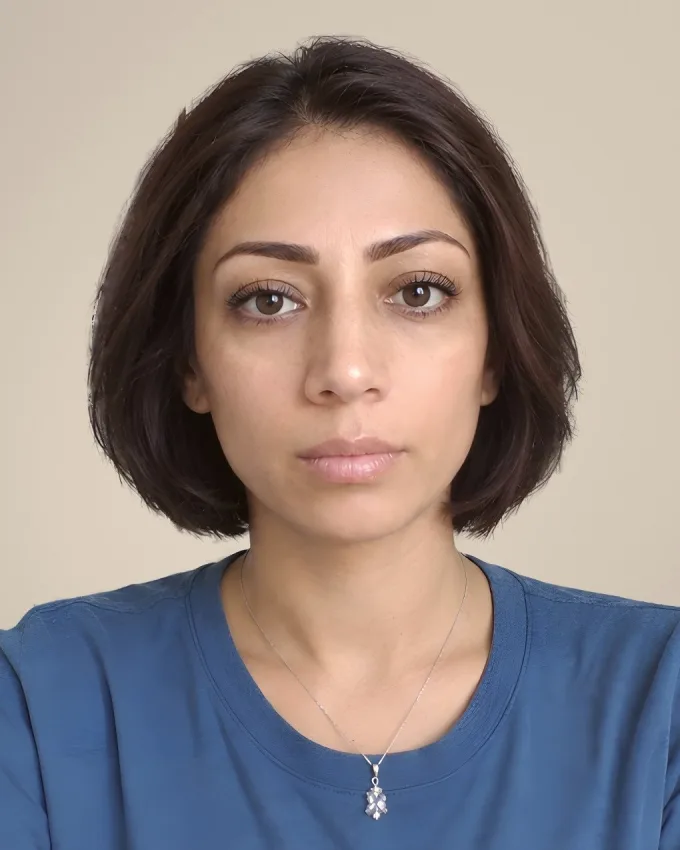
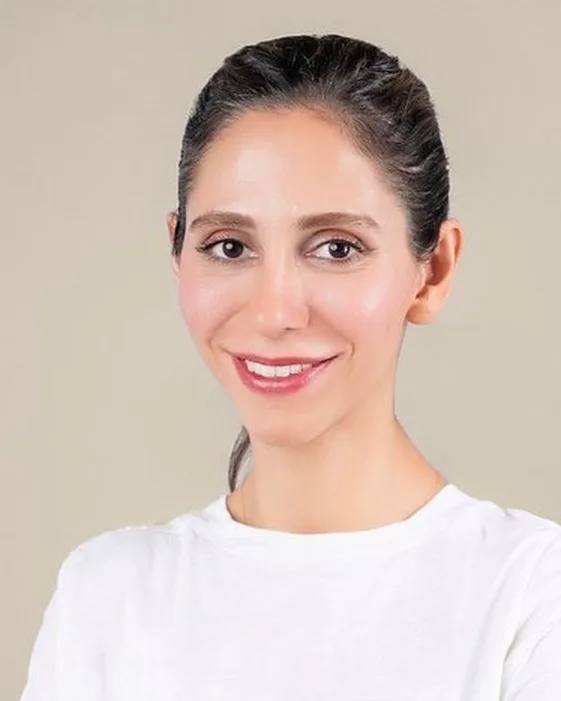
Ghazal Sheikhtaheri, Registered Psychotherapist at NoorMinds, Ontario
Ghazal Sheikhtaheri
Registered Psychotherapist (Qualifying), RP
10+ Years Experience Schema Therapy CRPO Registered
✦ Free 15-Minute Consultation
CRPO Registered
Psychology Today Verified
10+ Years Experience
English & Farsi Sessions
Ontario-wide · Virtual
Accepting New Clients

You don't have to carry
this alone.

Trauma & Past Wounds

Something happened — maybe long ago — and it still shapes how you feel about yourself, how you react, how you trust. Past experiences don't have to define your present. Schema therapy offers a compassionate, evidence-based path to understanding where these patterns came from and gently rewriting them.

Relationship & Couples Issues

You love each other, but something keeps breaking down — the same argument on repeat, a growing distance, trust that's been damaged. Or perhaps you're navigating a relationship on your own terms, trying to understand why you keep ending up in the same painful dynamics. Therapy creates space to hear and be heard — and to build something more honest.

Workplace Stress & Burnout

You've been pushing through for so long that you've forgotten what it felt like not to be exhausted. Burnout, imposter syndrome, conflict with colleagues, a workplace that doesn't feel safe — these are real, valid struggles. Therapy can help you reconnect with your strengths, rebuild your sense of self-worth, and create healthier boundaries at work and beyond.

New Immigrants & Newcomers

Immigration is celebrated as a new beginning — and it is. But it is also, quietly, a profound loss. The language, the community, the version of yourself that belonged somewhere. I understand this journey from more than a clinical perspective. Sessions are available in Farsi, so you never have to translate your inner world.

What NoorMinds means

Noor (نور) is the Persian word for light — the warmth that guides you through uncertainty, and the clarity that emerges when you begin to truly understand yourself.

NoorMinds was built on the belief that this light already exists within you. Therapy is the process of uncovering it: moving from confusion and pain toward insight, connection, and a more grounded, authentic sense of who you are.

You are seen here. You are welcome here — in whatever language feels most like home.

A therapist who brings both expertise and genuine understanding

I'm Ghazal, a Registered Psychotherapist (Qualifying) with over 10 years of experience rooted in schema therapy. I work with individuals and couples navigating a wide range of challenges — from trauma and relationship difficulties to workplace stress and life transitions.

My approach is compassionate, evidence-based, and deeply collaborative. We work at your pace, always. I believe that lasting change doesn't come from being told what to do — it comes from genuinely understanding yourself, and from building a therapeutic relationship where you feel truly safe to do that work.

Sessions are available in English and Farsi (فارسی).

Schema Therapy CBT Emotionally Focused Psychodynamic Person-Centered Narrative Therapy Humanistic Motivational Interviewing

What clients say about their experience

"Ghazal is patient, understanding, and provides actionable methods for overcoming issues in my day to day life."

— Individual Therapy Client

"With profound empathy and insight Ghazal helped me understand myself, release years of pain, and step into a future filled with peace, strength, and joy."

— Individual Therapy Client

"Ghazal was there for me when I showed up totally lost and homesick, feeling like I'd never fit in. She just got it. Her personal experience helped me stop beating myself up about leaving home, and now I actually feel okay here — like I belong."

— Newcomer Client, Ontario

"Ghazal helped me when work was crushing me and I felt like a total failure every day. I learned how to stand up for myself without guilt, and now I walk in feeling calm and actually good at my job again."

— Workplace Therapy Client

"Ghazal didn't just fix our communication, she reignited the intimacy and trust we had lost. We're now partners in every sense, grateful every day for the loving, resilient relationship we never thought we'd have again."

— Couples Therapy Clients

Ready to begin your own journey?

Book a Free Consultation

How I can support you

Individual Therapy
$180 per session · 50 minutes

A private, dedicated space for you to explore what's weighing on you, understand the patterns keeping you stuck, and work toward change that truly lasts. Whatever you're navigating — trauma, anxiety, self-worth, relationships, life transitions — you don't have to figure it out alone.

  • Trauma & PTSD
  • Anxiety & mood disorders
  • Self-esteem & identity
  • Immigration & cultural adjustment
  • Workplace stress & burnout
  • Life transitions & grief
Couples Therapy
$225 per session · 50 minutes

Relationships are hard — and when you're carrying unhealed wounds alongside another person who is doing the same, even love isn't always enough. Couples therapy is a space where both partners can be genuinely heard, understood, and helped to build something more honest, more connected, and more secure.

  • Communication & conflict
  • Trust & intimacy
  • Recurring relationship patterns
  • Marital & premarital counselling
  • Cultural differences in relationships
  • Separation & divorce support
Virtual Sessions
All sessions online · Ontario-wide

Accessible, flexible therapy from the comfort and privacy of your own space. No commute, no waiting rooms, no need to navigate an unfamiliar environment. Available to clients across all of Ontario — in English or Farsi, on a schedule that works for your life.

  • Sessions in English or Farsi فارسی
  • Secure, PHIPA-compliant platform
  • Flexible morning & evening hours
  • Direct billing for select insurance
  • Receipts for reimbursement
  • Free 15-minute consultation
$180Individual Session
$225Couples Session
Free15-Min Consultation
Direct Billing Available

Questions you might be wondering about

How do I know if therapy is right for me? +
If you've been feeling stuck, overwhelmed, disconnected, or like something needs to change — therapy is likely worth exploring. You don't need to be in crisis to benefit from it. Many people come to therapy simply because they want to understand themselves better, improve their relationships, or build a more meaningful life. The free 15-minute consultation is a low-pressure way to find out if it feels right.
Do you offer sessions in Farsi? +
Yes — sessions are available fully in Farsi (فارسی), fully in English, or a mix of both. Many clients find it far easier to access deep emotions in their first language. You never have to translate yourself here.
What is schema therapy and how is it different? +
Schema therapy goes deeper than symptom management. Rather than just addressing what you're feeling right now, it helps you understand the root causes — the deeply held beliefs and emotional patterns formed in early life that continue to shape your thoughts, feelings, and relationships today.
What can I expect in a first session? +
The first session is a gentle, conversational space — not an assessment or interview. We'll talk about what's brought you to therapy, what you're hoping for, and a bit about your life. There's no pressure to share everything at once. By the end, we'll both have a sense of whether working together feels like a good fit.
Is online therapy as effective as in-person? +
Research consistently shows that online therapy is equally effective as in-person therapy for most concerns, including anxiety, depression, trauma, and relationship issues. For many people, virtual therapy is actually more accessible and comfortable — you're in your own space, on your own terms.
Does insurance cover psychotherapy? +
Many extended health benefit plans in Canada cover psychotherapy by a Registered Psychotherapist. I offer direct billing for select providers, and for others I provide a receipt for reimbursement. Check your plan for 'Registered Psychotherapist (RP)' coverage — many clients are surprised to find they're covered.
What does Registered Psychotherapist (Qualifying) mean? +
A Registered Psychotherapist (Qualifying) is registered with the College of Registered Psychotherapists of Ontario (CRPO) and is completing supervised clinical hours toward full RP designation. Your care is professionally supervised and held to exactly the same ethical and clinical standards.
How long does therapy usually take? +
This varies widely. Some clients benefit from a focused short-term course of 8–12 sessions. Others find deeper schema work benefits from longer engagement. We'll always discuss your goals together and review progress regularly — you're in control of your therapeutic journey.

Understanding your mind a little better

Mental Health · Anxiety
Rumination: Why Your Mind Keeps Going in Circles — and How to Step Out

You've replayed the conversation a hundred times. You know it isn't helping. Yet the thoughts keep coming. Here's what's actually happening — and four evidence-based ways to break the cycle.

Read Article →
Immigration · Identity
The Hidden Grief of Immigration: What No One Tells You About Starting Over

Immigration is celebrated as a new beginning. But it is also, quietly, a loss. Understanding the emotional reality of displacement is the first step toward healing it.

Read Article →
Relationships · Schema Therapy
Why We Keep Repeating the Same Relationship Patterns — and How Schema Therapy Helps

If you've ever found yourself in the same painful dynamic with different people, schema therapy offers a profound explanation — and a path forward.

Read Article →

Rumination: Why Your Mind Keeps Going in Circles — and How to Step Out

Imagine a driver who is lost. Rather than stopping to reassess, they keep driving the same loop — circling back to the same intersection, growing more frustrated with every pass. This is rumination: a mental loop that feels purposeful but leads nowhere. And the more we surrender to it, the more exhausted and disoriented we become.

Rumination is a pattern of repetitive, intrusive thoughts — often about past events, perceived failures, or anticipated threats — that we return to again and again without resolution. It can last minutes, hours, or extend across days. And while it can feel like we're "thinking through" a problem, research is clear: rumination does not lead to solutions. It deepens distress.

Why Do We Ruminate?

The brain is wired to detect and respond to threat. When something feels unresolved — a painful interaction, a fear about the future, a wound from the past — the mind returns to it compulsively, searching for resolution or control. This is especially common for those who have experienced anxiety, depression, trauma, or significant life transitions like immigration.

Often, the thoughts themselves are not rooted in present reality. They are echoes: old emotional conclusions from past experiences, reactivated by a small trigger in the present. A dismissive comment from a colleague becomes evidence of a lifelong fear of rejection. A moment of loneliness becomes confirmation that you will never belong.

Four Ways to Step Out of the Loop

1. Name what you're actually ruminating about

The first step is simply to identify the thought that has captured you. Ask honestly: is there a real, present problem here that requires action — or am I revisiting something that already happened, or fearing something that may never occur? This distinction alone can loosen the grip. Like the driver who finally stops and asks, "Have I actually been going in circles?" — awareness creates the opening for change.

2. Create a deliberate pause

Before the next intrusive thought arrives, pause. Stand at the threshold for a moment. Notice what the previous thought has done to your body and your mood. Ask yourself whether that thought was accurate, and whether it served you. You are not obligated to follow every thought that appears. With practice, this pause becomes a powerful tool for interrupting the cycle before it gains momentum.

3. Practice self-compassion — not self-criticism

A common response to rumination is frustration with oneself for ruminating. This is understandable, but it creates a second loop on top of the first. Approaching yourself with genuine compassion — acknowledging that these thoughts are distressing and sometimes very difficult to control, rather than evidence of weakness — actually reduces their intensity. Self-compassion is not passive; it is one of the most evidence-backed interventions in clinical psychology.

4. Use breathing to shift your nervous system

Rumination activates the sympathetic nervous system — the body's threat response. Slow, deliberate breathing — particularly with a longer exhale than inhale — activates the parasympathetic system and physiologically shifts your body out of the defensive state. As the body softens, the thoughts become less vivid and less compelling. Regular breathwork practice, over time, builds resilience against intrusive thought patterns.

When Rumination Is a Sign of Something Deeper

For some people, rumination is not simply a habit but a symptom of anxiety, depression, OCD, or unprocessed trauma. If you find that these strategies provide only temporary relief — or that rumination significantly interferes with your sleep, relationships, or daily functioning — it may be a signal that deeper therapeutic work could help.

Schema therapy is particularly effective for people whose rumination is rooted in longstanding core beliefs: "I am unworthy," "I am always rejected," "I am not safe." These beliefs don't respond well to surface-level coping. They need to be explored, understood, and gently rewritten at the level where they were formed.

If rumination is something you struggle with, I'd be glad to help. Reach out for a free 15-minute consultation.

Book a Free Consultation

The Hidden Grief of Immigration: What No One Tells You About Starting Over

Immigration is often framed as an achievement — a brave beginning, a better future, a story of possibility. And in many ways, it is. But this narrative, as hopeful as it is, can obscure something important: immigration is also a profound loss.

You lose the texture of daily life in a place you knew deeply. You lose the ease of moving through the world in your first language. You lose proximity to the people who knew you before. You may even lose a version of yourself: the self who was confident, fluent, understood, and at home.

This grief is real. And it is often invisible — both to the people around you and, frequently, to yourself.

Why Immigrant Grief Is So Hard to Name

Unlike the grief that follows a clear ending, immigrant grief exists alongside hope and progress. You chose to come here. Things may be going well by many measures. How do you mourn something you also wanted? How do you name a loss that comes without a funeral?

This ambiguity makes immigrant grief uniquely difficult to process. Many newcomers push it aside — there is too much to do, too much pressure to adapt — and it accumulates silently, surfacing as anxiety, irritability, a pervasive sense of emptiness, or a longing they can't quite name.

Signs You May Be Carrying Unprocessed Immigration Grief

You might recognize this grief in unexpected sadness around cultural holidays or family milestones. A persistent sense of not quite belonging — not fully there, not fully here. Feeling emotionally distant from your partner or children, who seem to be adapting more easily. A kind of identity disorientation: not knowing who you are outside of the context that formed you.

These experiences are not signs that something is wrong with you. They are signs that you are human, and that you have left something significant behind.

How Therapy Can Help

Therapy provides a space to name what you're carrying — often for the first time. It offers the chance to grieve intentionally, rather than letting unprocessed loss drain quietly in the background of your life. For bilingual clients, being able to speak in Farsi — to find the exact word, the exact feeling, without translation — can be deeply releasing.

Schema therapy can also help those whose immigration grief has activated older wounds around belonging, abandonment, or self-worth, by addressing not just the present transition but the deeper patterns it has touched.

If this resonates with you, I would be honoured to talk. Sessions available in English and Farsi.

Book a Free Consultation

Why We Keep Repeating the Same Relationship Patterns — and How Schema Therapy Helps

Have you ever found yourself in the same painful situation with a different person? A different partner, a different workplace, a different city — and yet somehow, the same core wound is touched, the same hurt emerges, the same dynamic plays out? This is not coincidence, and it is not a character flaw. It is how unexamined schemas work.

What Is a Schema?

In schema therapy, a "schema" is a deeply held belief or emotional theme about yourself and the world — formed in childhood or adolescence in response to unmet emotional needs. These schemas are not simply thoughts; they are felt truths. They operate below conscious awareness, shaping how you perceive situations, what you expect from others, and how you respond when those expectations are met or threatened.

Common schemas include beliefs such as: "I am fundamentally unlovable." "I will always be abandoned." "I am incompetent." "I don't deserve good things." They feel like facts because they were formed at an age when we lacked the capacity to question them.

How Schemas Drive Relationship Patterns

Schemas are self-perpetuating. Once formed, they actively shape our experience in three predictable ways. We may surrender to the schema — unconsciously recreating the conditions that confirm it, for example repeatedly choosing partners who are emotionally unavailable. We may avoid it — going to great lengths to never be in situations that might activate the painful belief. Or we may overcompensate — behaving in the opposite direction, perhaps becoming excessively self-reliant or controlling.

None of these responses are conscious choices. They are survival strategies that have outlived their usefulness.

What Schema Therapy Offers

Schema therapy works by bringing these patterns into awareness, understanding their origins with compassion, and systematically building new, healthier ways of relating to yourself and others. This involves both cognitive work — examining the evidence for and against your core beliefs — and experiential work, including exploring the emotional needs that were unmet and learning to meet them in healthier ways.

For clients navigating relationship difficulties, this approach is powerful because it addresses the root, not just the symptom. Rather than teaching you to communicate differently without addressing why communication breaks down, schema therapy helps you understand the underlying pattern — creating the possibility of genuine, lasting change.

You Are Not Your Patterns

Your schemas are not you. They are a story your nervous system learned to tell in order to survive. And like any story, they can be examined, challenged, and — with time and the right support — rewritten. Change is possible. Not the quick, surface-level kind — but the deep, lasting kind that shows up in how you feel about yourself on a quiet Tuesday afternoon.

If you recognise yourself in these patterns, I'd love to help you understand and shift them. Sessions in English and Farsi فارسی.

Book a Free Consultation

Ready to take
the first step?

LocationVirtual sessions only — available across Ontario
LanguagesEnglish & Farsi (فارسی)
PaymentVisa, Mastercard, Amex, e-Transfer, PayPal, HSA. Direct billing available.

Book a Session

Scheduling is simple and secure through Jane. New clients are welcome to start with a free 15-minute consultation — in English or Farsi.

  • 1Click below to open the secure Jane booking portal
  • 2Choose a free consultation or a full session
  • 3Pick a date and time that works for you
Book Now via Jane
✦ Currently accepting new clients

Privacy Policy

Last updated: February 2026

1. Who We Are

NoorMinds Psychotherapy is operated by Ghazal Sheikhtaheri, Registered Psychotherapist (Qualifying), RP, Ontario, Canada.

2. Confidentiality

All clinical information is kept strictly confidential per CRPO standards and Ontario's PHIPA. Exceptions exist only where required by law.

3. Data Storage

Records are stored through Jane App, a Canadian PHIPA-compliant platform, and retained per CRPO guidelines.

4. Your Rights

You may access, correct, or request deletion of your personal information at any time by contacting (647) 699-5142.